Elevate Your Design Projects with Heading Ornament
When a standard serif or sans serif typeface doesn't quite capture the artisanal or vintage feel you're after, you need a specialized tool in your design arsenal. Heading Ornament is a hand-drawn ornament vector designed to inject character and visual storytelling into your work. It’s not just a decorative clipart illustration; it’s a scalable tribal vector with a distinct personality, perfect for adding that final touch of elegance or rustic charm. This ornate sign element bridges the gap between modern typography and classic illustration, offering a versatile graphic that feels both timeless and fresh.
Understanding the Visual Character
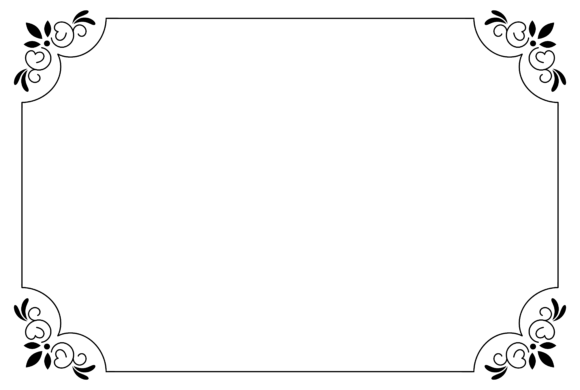
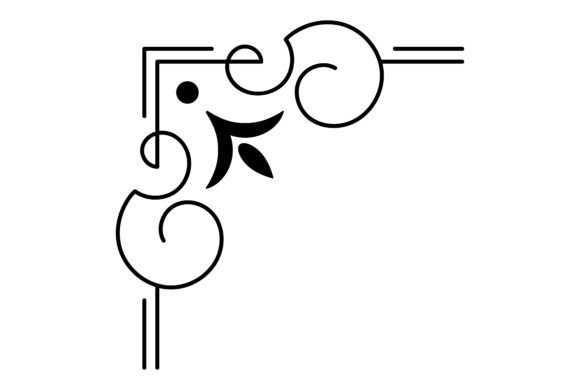
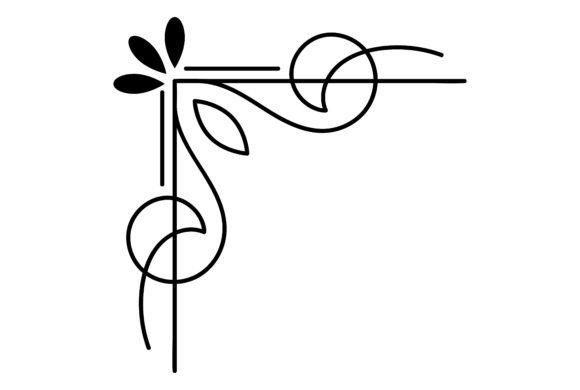
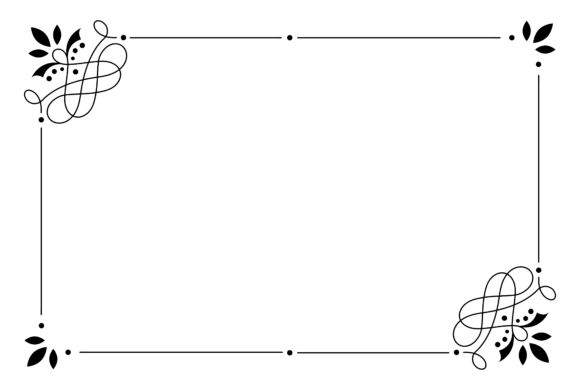
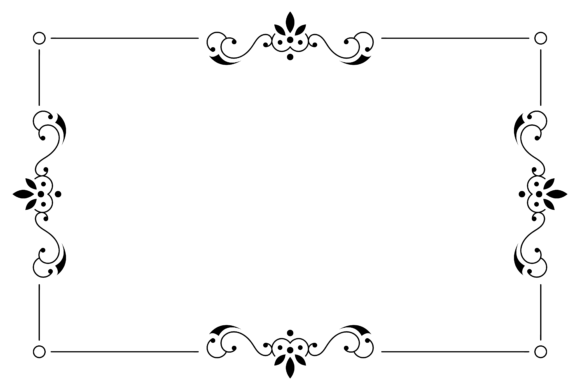
The core appeal of this decoration graphic design element lies in its hand-drawn quality. Unlike generic digital shapes, the lines of the Heading Ornament vector possess a subtle, organic texture. This style resonates with audiences looking for authenticity in branding and publishing. It works exceptionally well as a standalone focal point or as a supporting element to frame text. The aesthetic leans towards a sophisticated tribal or floral motif, making it adaptable for everything from high-end packaging design to rustic wedding invitations.
Because it is a vector file, the integrity of the design remains perfect whether you scale it up for a large banner or down for a business card. The included files—SVG, PNG, JPG, EPS, DXF, and AI—ensure that no matter what software you use, from Adobe Illustrator to GIMP, you can integrate this asset seamlessly. This flexibility is crucial for maintaining a consistent brand identity across different media, ensuring your visual hierarchy remains strong whether viewed on a retina screen or printed on textured paper.
Practical Applications for Creative Professionals
For graphic designers and entrepreneurs, the real value of a design asset is measured by its utility. Where does this specific ornament vector actually work best? The applications are surprisingly broad.
- Editorial and Book Design: Use the ornament as a chapter break or a decorative drop cap frame in book covers. It adds a layer of professionalism to self-published novels or artistic portfolios.
- Branding and Logo Design: While a full logo shouldn't rely solely on clip art, this element can serve as a logomark or a secondary brand asset. It works beautifully for coffee shops, artisanal bakeries, or boutique agencies looking for a creative font companion.
- Digital Marketing and Social Media: In the fast-paced world of social media graphics, stopping the scroll is key. Incorporating this ornate sign into your Instagram posts or blog headers creates immediate visual interest, improving audience engagement.
- Print on Demand and Merchandise: The high resolution (4936x3319px at 300 dpi) makes it ideal for printing on paper, textiles, and merchandise. Think tote bags, t-shirts, or greeting cards where the texture of the illustration shines.
It is also an excellent choice for invitation cards and stationery. If you are a crafter or hobbyist using a cutting machine, the DXF and SVG files allow for precise cutting of vinyl or paper stencils, opening up possibilities for physical signage and home decor.
Integrating Ornament into Your Typography Strategy
Choosing a font or graphic element is rarely just about aesthetics; it’s about communication. The Heading Ornament influences readability and visual hierarchy by providing a resting place for the eye. When paired with a clean, modern typography stack—such as a geometric sans serif for body text and a premium display font for headers—it creates a balanced composition. The ornament acts as a bridge, softening the digital precision of standard web fonts with its organic hand-drawn feel.
When evaluating project fit, consider the mood you want to set. This style leans towards the vintage, the bohemian, or the classic. If your brand identity is hyper-minimalist or strictly corporate, this element might feel out of place. However, for brands that value storytelling, history, or craftsmanship, it is an invaluable addition. It helps build recognition because it is distinct; a generic swirl won't stick in a customer's mind, but a detailed, hand-drawn tribal vector might.
Technical Considerations and Best Practices
To get the most out of this asset, you need to approach it with a designer’s eye for detail. Here is a practical guide to implementation:
- Font Pairing: Avoid pairing this ornament with overly decorative script fonts or handwritten fonts that are too busy. The clash of details will create visual noise. Instead, pair it with sturdy serif fonts for a classic look or clean sans serif fonts for a modern contrast.
- Color and Contrast: While the files are likely provided in a standard color, don't be afraid to recolor the vector elements in Illustrator or Photoshop. Muted earth tones often work best for a vintage vibe, while high-contrast monochromes can make it feel edgy and contemporary.
- Whitespace: An ornate sign needs room to breathe. Ensure you leave ample whitespace around the ornament. Crowding it against text or other graphics will diminish its impact and hurt readability.
- File Management: Since the files come in a ZIP folder, organize them immediately. Keep your master vector files (AI, EPS) separate from your web-ready exports (PNG, JPG) to maintain a clean workflow.
Ultimately, Heading Ornament is more than just a decoration; it is a strategic design asset. By understanding its visual weight and stylistic roots, you can use it to elevate your work from simple layouts to compelling visual narratives. Whether you are designing a book cover, crafting a wedding invite, or building a brand from the ground up, this hand-drawn vector provides the texture and personality needed to stand out.